How Meal Planner Paper is Revolutionizing Creativity and Productivity Across Industries
In an era where personalization, efficiency, and creativity intersect in unexpected ways, Meal Planner Paper has emerged as a versatile tool that goes far beyond its name suggests. Designed primarily for organizing meals, this specialized paper product offers unique qualities that make it indispensable not only to home cooks but also to professionals, creators, entrepreneurs, marketers, freelancers, and enthusiasts across various fields. Its adaptability, quality, and A5 size format have positioned it as a go-to material for diverse applications, from scrapbooking and web design to business cards and fabric printing.
What Is Meal Planner Paper?
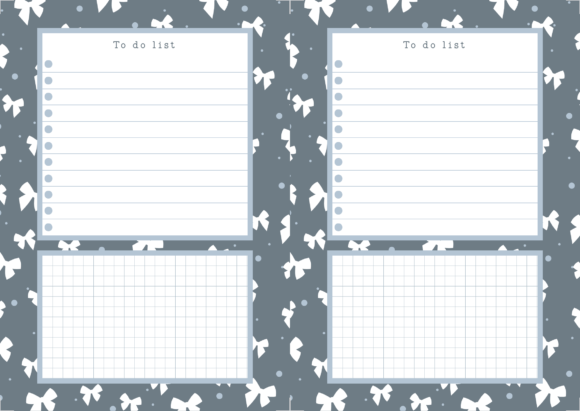
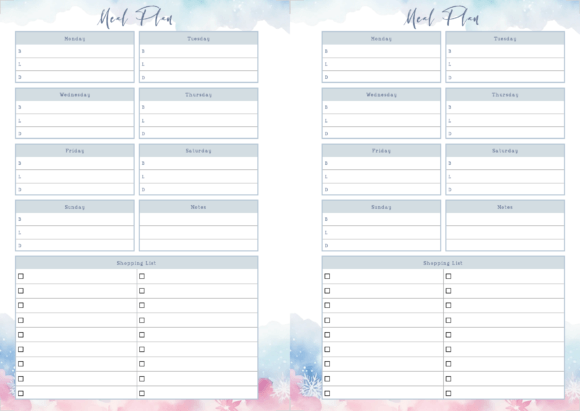
Meal Planner Paper refers to high-quality, often customizable sheets used for planning weekly or monthly meals. Unlike standard printer paper, it’s typically designed with grid layouts, sections for notes, and sometimes even perforations for easy tearing or tabbed dividers for categorization. The A5 size (approximately 5.8 x 8.3 inches) makes it compact yet spacious enough for detailed meal scheduling. While the primary use is for tracking recipes and grocery lists, the paper's durability and aesthetic appeal have led to its adoption in other creative and professional domains.
The Rising Popularity of Meal Planner Paper
The increasing demand for Meal Planner Paper reflects broader consumer trends toward mindfulness, health awareness, and sustainable living. More people are taking control of their diets by planning meals in advance, which helps reduce food waste and supports healthier eating habits. This shift is particularly evident among busy professionals and working parents who seek balance between productivity and wellness.
However, the popularity of Meal Planner Paper isn't just about meal planning. It's also about how it can be integrated into daily workflows and creative projects. As digital fatigue grows, many individuals are returning to analog tools—planners, journals, and hand-drawn designs—that offer tactile satisfaction and focus-enhancing benefits. Meal Planner Paper, with its clean layout and premium finish, fits seamlessly into this movement.
Creative Uses Beyond Meal Planning
While the name implies a culinary purpose, the real magic of Meal Planner Paper lies in its flexibility. Artists and crafters have discovered that its smooth surface and sturdy build make it ideal for a range of artistic endeavors:
- Scrapbooking: The A5 size allows for easy integration into mini albums and travel journals. Its white, non-porous texture ensures that ink and adhesives stay vibrant and secure over time.
- Invitations and Cardmaking: Entrepreneurs and event planners use Meal Planner Paper to create elegant, handmade invitations and greeting cards that stand out from mass-produced options.
- Collages and Home Decor: With its ability to hold both digital prints and hand-drawn elements, this paper becomes a canvas for visual storytelling and personalized decor items like wall art and vision boards.
- Letterhead and Stationery: Small businesses appreciate its professional appearance and compatibility with laser and inkjet printers, making it suitable for branded letterheads and stationery sets.
- Fabric Printing: When paired with transfer techniques, Meal Planner Paper serves as a base for custom fabric prints, opening up new avenues for fashion designers and textile artists.
Why Professionals and Marketers Are Paying Attention
For entrepreneurs, freelancers, and marketers, Meal Planner Paper represents more than just a product—it's a solution. In today’s fast-paced work environments, having a reliable medium for organizing ideas, planning campaigns, and managing schedules is essential. The structured format of Meal Planner Paper mirrors the needs of these professionals, allowing them to visualize tasks, set priorities, and streamline operations.
Moreover, the growing emphasis on branding and personalization in marketing has made Meal Planner Paper a valuable asset. Businesses selling planner stickers, DIY kits, or creative supplies often include this paper as part of their offerings. It provides customers with a consistent, high-quality base for their creations, enhancing the overall user experience and reinforcing brand loyalty.
Changing Needs and Workflows
Modern workflows are increasingly hybrid, blending digital tools with physical outputs. People no longer rely solely on spreadsheets or apps for organization—they want tangible representations of their plans. This shift has led to a resurgence in the use of paper-based systems, and Meal Planner Paper is perfectly suited to meet this need.
Its relevance is also tied to evolving preferences around customization. Today’s consumers expect products tailored to their specific tastes and needs. Whether it's a designer looking for a blank slate for illustrations or a marketer needing a consistent background for printables, Meal Planner Paper offers a foundation that can be adapted through stickers, stamps, or digital overlays.
Examples of Practical Applications
Consider a small business owner who uses Meal Planner Paper to create a weekly project schedule. The grid layout allows for easy time blocking, while the paper’s thickness prevents ink bleed when using markers or pens for highlighting key deadlines. Similarly, a graphic designer might utilize it for mock-ups of web graphics, testing color schemes and layouts before finalizing digital versions.
Freelancers in the content creation space may print their editorial calendars on Meal Planner Paper, combining it with washi tape and handwritten notes to track upcoming assignments and client communications. For educators, it could serve as a lesson plan organizer, enabling a mix of typed outlines and hand-drawn visuals.
Connecting to Larger Industry Trends
The rise of Meal Planner Paper aligns with several larger industry developments. First, the craft and DIY market continues to expand as people seek meaningful, hands-on activities. This trend is especially strong among millennials and Gen Z, who value experiences and self-expression. By offering a premium, adaptable medium, Meal Planner Paper taps into this desire for creativity and personal involvement.
Second, the health and wellness sector is driving innovation in lifestyle products. Meal planning is a cornerstone of healthy living, and having a durable, aesthetically pleasing tool encourages users to maintain consistency. This connection between organization and well-being is a powerful motivator for adoption.
Third, the rise of remote work and hybrid offices has increased the need for flexible workspace tools. Many professionals now require materials that can transition between digital and physical formats. Meal Planner Paper, with its compatibility with both, supports this dual-mode workflow effectively.
Technological Synergy
Although it’s a physical product, Meal Planner Paper works in tandem with digital technologies. Users can scan completed pages for digital archiving, or print digital templates onto the paper for a polished look. This synergy is crucial in today’s tech-driven world, where seamless integration between platforms enhances productivity and reduces friction in daily routines.
Additionally, Meal Planner Paper is compatible with cutting machines like Cricut and Silhouette, enabling precise die-cutting for intricate designs. This feature appeals to hobbyists and professionals alike, bridging the gap between traditional crafting and modern automation.
Sustainability and Consumer Demand
Consumers are becoming more conscious of sustainability, and Meal Planner Paper is meeting this demand head-on. High-quality, acid-free versions are available, ensuring longevity and reducing the need for frequent replacements. Some brands even offer recycled or eco-friendly options, appealing to environmentally aware buyers.
This commitment to sustainability is part of a broader shift in the paper and stationery industry. Companies that provide durable, reusable materials are gaining traction, and Meal Planner Paper exemplifies this trend. It’s not just about what you write on the page, but how the page itself contributes to a greener lifestyle.
Future Outlook and Strategic Adoption
Looking ahead, Meal Planner Paper is likely to remain relevant due to its adaptability and alignment with current lifestyle and industry movements. As remote work becomes more entrenched and creative industries continue to grow, the need for tools that support both structure and expression will persist.
Businesses and creatives who adopt Meal Planner Paper early can position themselves at the intersection of functionality and aesthetics. It’s a product that speaks to multiple audiences—home cooks, artists, marketers, and planners—offering a shared platform for innovation and organization.
Key Takeaways for Content Creators and Marketers
- Understand the audience: Meal Planner Paper appeals to those who value creativity, organization, and sustainability. Tailor your messaging to highlight these attributes.
- Highlight versatility: Don’t limit your descriptions to meal planning. Showcase how it can be used for invitations, collages, letterheads, and more.
- Emphasize quality: Mention the paper’s weight, finish, and compatibility with various tools and techniques to build trust and credibility.
- Connect with trends: Link Meal Planner Paper to broader movements like the return to analog tools, the rise of personalized products, and the push for eco-conscious materials.
- Encourage experimentation: Invite users to explore different ways they can incorporate Meal Planner Paper into their projects, whether digital or hands-on.
In conclusion, Meal Planner Paper is more than a simple organizational tool—it’s a catalyst for creativity, productivity, and sustainability. As industries evolve and consumer expectations shift, this product stands out as a practical yet innovative solution. Whether you're a planner enthusiast, a designer, or a business owner, embracing Meal Planner Paper can open up new possibilities for how you work, create, and connect with your audience.